Micro -Learning an important E-learning trend
Micro learning is quickly becoming a popular trend in the world of e-learning. This method of learning involves breaking down complex information into smaller, more easily digestible chunks. By presenting material in short, focused bursts, micro learning allows students to retain information more effectively and apply it in real-world situations. This approach is especially beneficial for individuals with short attention spans or busy schedules, as they can consume bite-sized pieces of content on-the-go.
One of the key advantages of micro learning is its flexibility. Learners can access short lessons or modules whenever and wherever they choose, using their smartphones or other devices. This convenience makes it easier for students to fit learning into their daily routines, leading to increased engagement and motivation. In addition, micro learning can be tailored to each individual's unique learning preferences and needs, allowing for a more personalized and effective learning experience.
Furthermore, micro learning has been shown to improve retention rates and knowledge transfer. By delivering information in smaller increments, learners are more likely to remember and apply what they have learned. This is because the brain can only process a limited amount of information at a time. By breaking down complex concepts into smaller chunks, micro learning helps to prevent cognitive overload and enhance understanding.
Another benefit of micro learning is that it encourages continuous learning and skill development. Instead of waiting for traditional training sessions or courses, students can engage in short, targeted lessons on a regular basis. This ongoing approach to learning promotes a culture of continuous improvement and innovation within organizations, leading to better outcomes and increased competitiveness.
Micro learning is a valuable trend in e-learning that offers numerous benefits for learners and organizations alike. By providing short, focused lessons that are easily accessible and personalized, micro learning enhances retention and knowledge transfer. It also promotes continuous learning and skill development, leading to increased engagement and motivation among students. As technology continues to advance, the popularity of micro learning is likely to grow, making it an important tool for educators and learners in the digital age.
Micro learning platforms have gained immense popularity in recent years as a convenient and effective way for individuals to acquire new skills and knowledge in bite-sized increments. These platforms offer users the opportunity to learn on-the-go, allowing them to fit learning into their busy schedules. Some of the most popular micro learning platforms include Khan Academy, Coursera, Duolingo, TED-Ed, LinkedIn Learning, and Udemy.

Khan Academy is a non-profit organization that provides a wide range of free online courses on subjects ranging from math and science to history and economics. The platform is especially popular among students looking to supplement their classroom learning or individuals seeking to expand their knowledge on a specific topic. Coursera is another popular micro learning platform that offers courses from top universities and institutions around the world. Users can choose from a variety of courses in subjects such as business, computer science, and health, and earn a certificate upon completion.
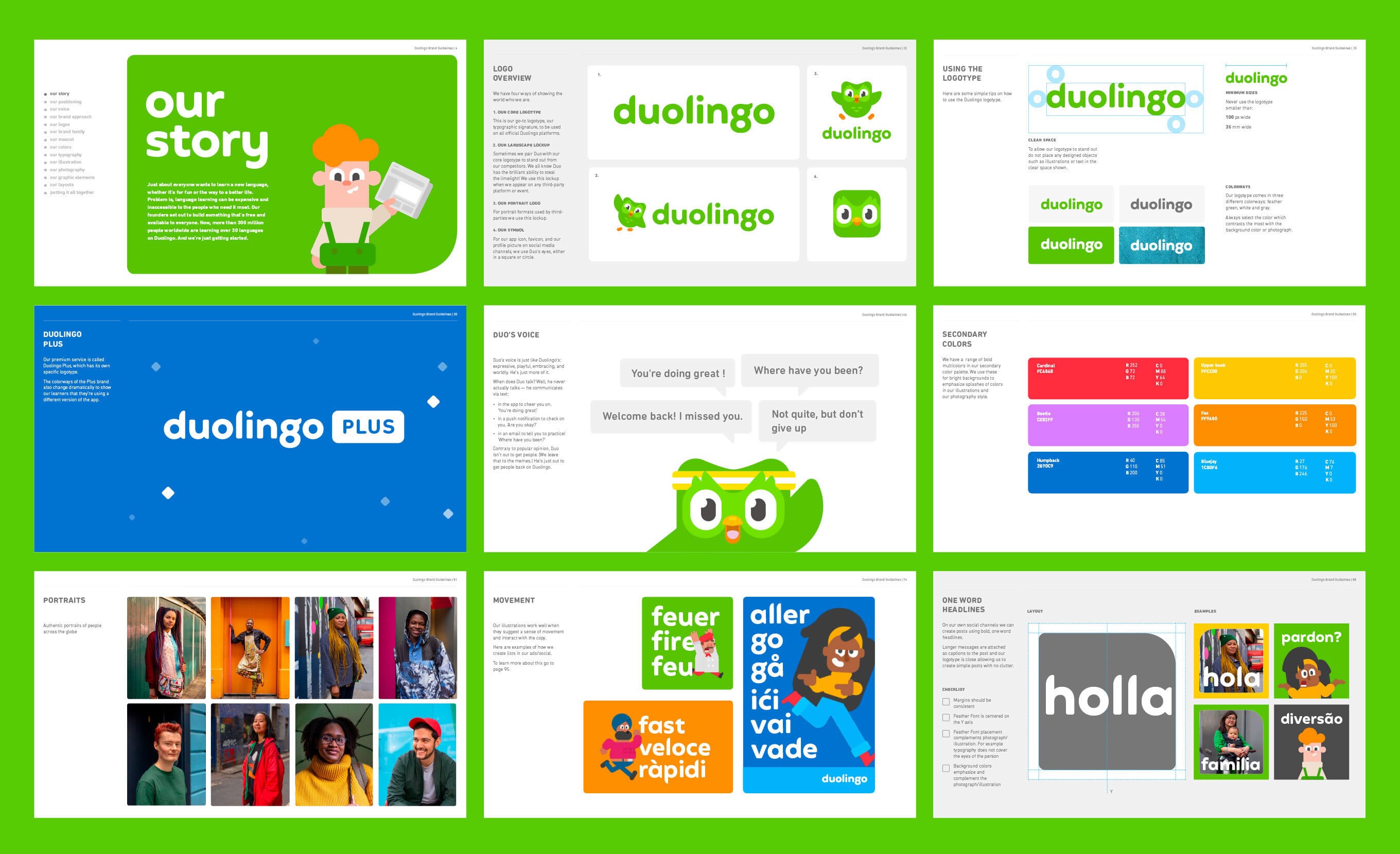
Duolingo is a popular micro learning platform for individuals looking to learn a new language. The platform offers interactive lessons in over 30 languages and uses gamification to engage users and keep them motivated. TED-Ed is another popular platform that offers short, engaging video lessons on a wide range of topics, from science and technology to art and literature. Users can watch these videos on-the-go and expand their knowledge in just a few minutes.

LinkedIn Learning, formerly known as Lynda.com, is a popular micro learning platform for professionals looking to develop new skills and advance their careers. The platform offers courses in business, technology, and creative topics, and allows users to learn at their own pace.

Udemy is another popular platform that offers a wide range of courses on topics such as programming, photography, and marketing. Users can choose from a variety of courses taught by industry experts and learn new skills that can help them advance in their careers.
In conclusion, popular micro learning platforms offer users a convenient and effective way to acquire new skills and knowledge in bite-sized increments. These platforms cater to a wide range of learning preferences and subjects, making it easier for individuals to find courses that suit their needs. Whether you are a student looking to supplement your classroom learning, a professional looking to advance your career, or someone looking to learn a new language, there is a micro learning platform out there for you. So why not take advantage of these platforms and start learning today?

Quantum Computing
Today we are going to explore Quantum computing.

Quantum computing is a type of computing that uses quantum-mechanical phenomena, such as superposition and entanglement, to perform operations on data. Unlike classical computers, which use bits to represent data as either 0 or 1, quantum computers use quantum bits, or qubits, which can represent both 0 and 1 simultaneously. This allows quantum computers to perform certain calculations much faster than classical computers. However, quantum computing is still in its early stages of development and is not yet widely available for practical use.
Superposition and entanglement are two fundamental concepts in quantum computing
Superposition and entanglement are two fundamental concepts in quantum computing that enable faster computations in certain scenarios. Superposition allows qubits to exist in multiple states simultaneously. In classical computing, a bit can be either 0 or 1, but in quantum computing, a qubit can be in a superposition of both 0 and 1 at the same time. This means that a quantum computer can perform multiple calculations in parallel, exponentially increasing its computational power. By manipulating the qubits and applying quantum gates, quantum algorithms can exploit this superposition to perform complex computations more efficiently than classical algorithms.
Entanglement, on the other hand, is a phenomenon where two or more qubits become correlated in such a way that the state of one qubit is dependent on the state of the others, regardless of the distance between them. This correlation allows for the creation of entangled states, where the measurement of one qubit instantly determines the state of the other qubits. This property is particularly useful for quantum communication and quantum teleportation. When it comes to computations, entanglement enables quantum computers to process information in a highly parallel and interconnected manner. It allows for the creation of quantum circuits where the state of one qubit can influence the state of other qubits, leading to complex interactions and computations that are not possible with classical computers. This parallelism and interconnectedness provided by entanglement can significantly speed up certain types of calculations, such as factorization and searching algorithms. It's important to note that while superposition and entanglement offer the potential for faster computations in quantum computing, harnessing their power effectively requires the development of specialized quantum algorithms and error-correcting techniques. Quantum computing is still an active area of research, and there are many challenges to overcome before it becomes a practical and widely accessible technology.
Uses of Quantum Computing
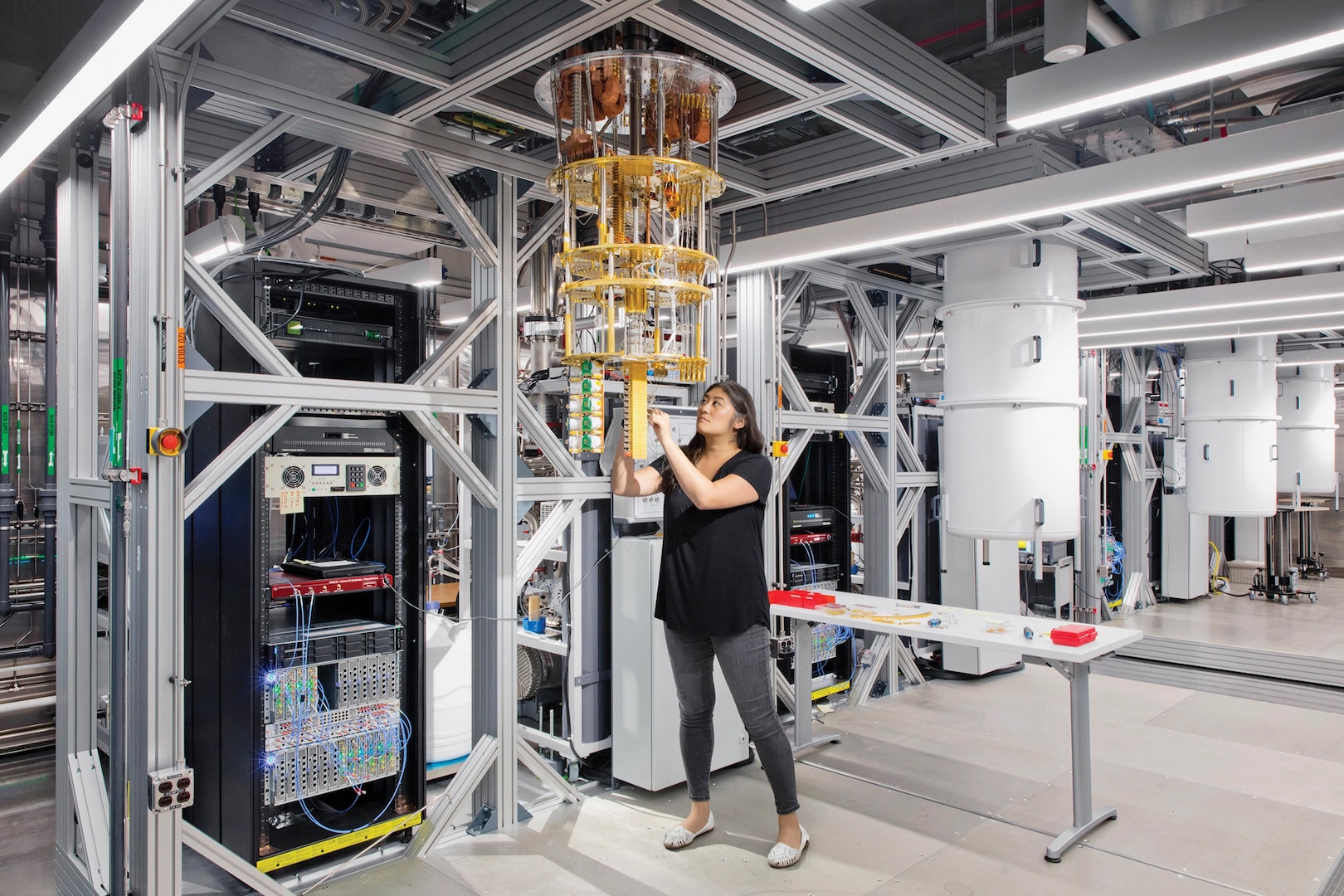
Quantum computing has the potential to revolutionize various fields and solve complex problems that are currently intractable for classical computers. Here are some potential uses of quantum computing:
1. Cryptography: Quantum computers have the ability to break many of the encryption algorithms used in modern cryptography. However, they can also be used to develop quantum-resistant encryption methods, ensuring secure communication in the post-quantum era.
2. Optimization: Quantum computing can be used to solve optimization problems more efficiently. This includes tasks such as route optimization, supply chain management, portfolio optimization, and scheduling optimization, which have applications in logistics, finance, and various industries.
3. Drug Discovery: Quantum computers can simulate and analyze the behavior of molecules and atoms, enabling more accurate modeling of chemical reactions. This can accelerate the process of drug discovery by identifying potential drug candidates and optimizing their properties.
4. Material Science: Quantum simulations can help in designing new materials with desired properties, such as superconductors, catalysts, and advanced materials for energy storage. This can lead to advancements in renewable energy, electronics, and other areas.
5. Machine Learning: Quantum machine learning algorithms can enhance pattern recognition, data analysis, and optimization tasks. Quantum computers can process and analyze large datasets more efficiently, leading to advancements in artificial intelligence and data-driven decision-making.
6. Financial Modeling: Quantum computing can improve financial modeling and risk analysis by efficiently simulating complex financial systems and optimizing investment portfolios. This can aid in making more accurate predictions and informed financial decisions.
7. Quantum Chemistry: Quantum computers can simulate the behavior of molecules and chemical reactions, enabling the discovery of new materials, catalysts, and drugs. This can have significant implications for the pharmaceutical industry and chemical research.
8. Supply Chain Optimization: Quantum computing can optimize supply chain logistics, including inventory management, transportation routing, and demand forecasting. This can lead to cost savings, improved efficiency, and reduced environmental impact.
It's important to note that quantum computing is still in its early stages, and many of these applications are still being explored and developed. The full potential of quantum computing is yet to be realized, and ongoing research and advancements are needed to overcome technical challenges and harness its power effectively.
By

Deepika Singh
Academic writer
infovision.deepika@gmail,com

-
Micro -Learning an important E-learning trend Micro learning is quickly becoming a popular trend in the world of e-learning. This metho...
-
 Hi Every one, This is my first post , i am a Technical as well as a Subject Matter Expert in computer science.

